The A1 problem nobody on site wants to talk about
Half the men on a Frankfurt data centre site are on paper temporarily posted from somewhere else. Some have been temporary for two years. The form is legal. The way the industry uses it is not what it was built for.
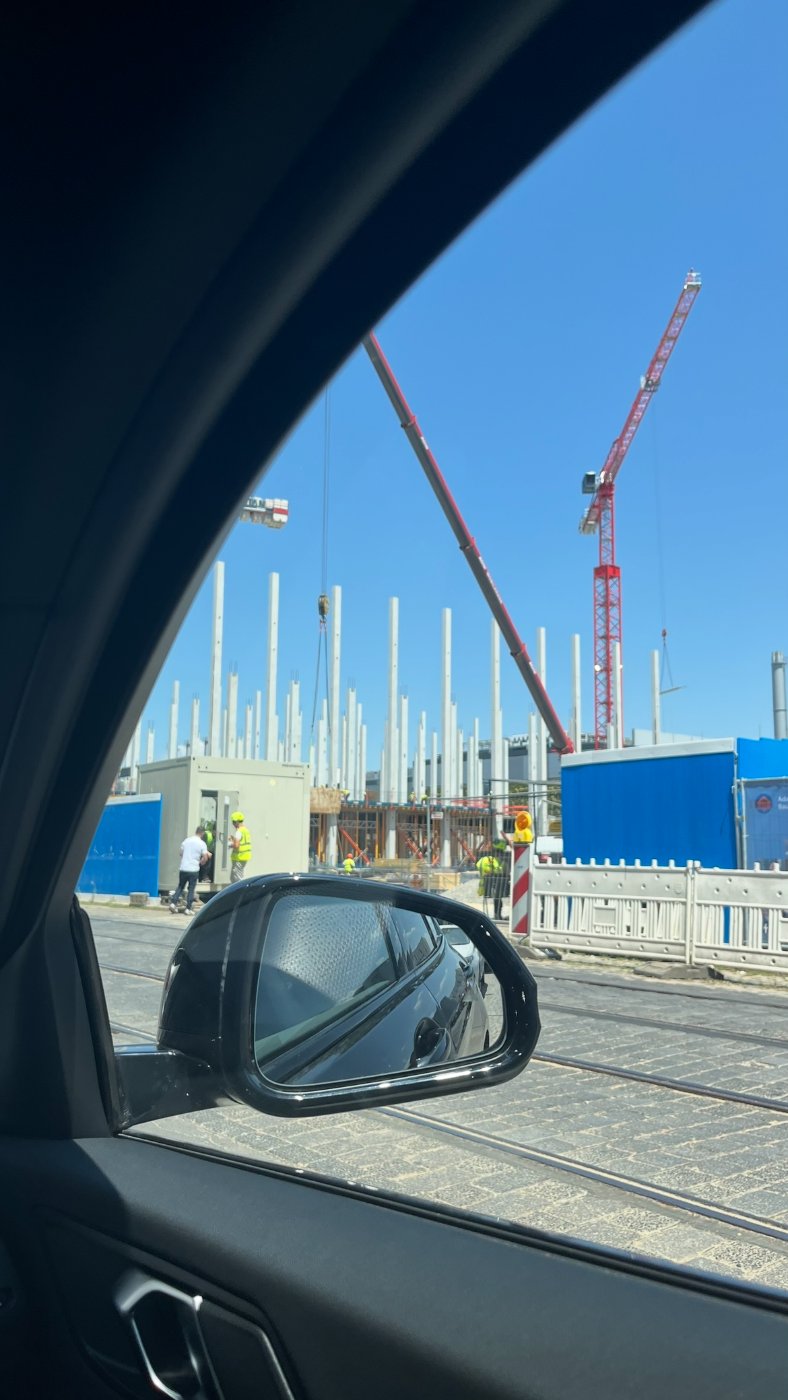
Six in the morning on a data centre site east of Frankfurt. Two hundred men through the gate, fifteen company names on the hoardings, one client at the top. On paper, about half of those men are temporarily posted from somewhere else: Ireland, Poland, Portugal, Romania via a company in another country. Some of them have been temporary for two years.
Nobody on that site wants to talk about the form that makes this possible. Not the contractor, not the agency, not the man. I am going to, because we have just spent eight weeks and a great deal of money deciding not to use it any more.
What an A1 actually is
The A1 is a European social security form. It says: this worker is employed in country X, we pay his contributions there, and he is working in country Y for a limited time. The host country accepts it. No local payroll, no local pension fund, no local health insurance. Legal, simple, and designed for exactly that: a plumber sent from Dublin to Vienna for six weeks, a technician commissioning a plant for a season.
It is also cheap. The same groundworker, taking home the same twenty euro an hour, costs about thirty-seven euro an hour posted from Ireland and about fifty-nine euro an hour employed in Germany. The difference is the German state: income tax and contributions on the gross, employer contributions at twenty-four percent, SOKA-BAU at nearly twenty percent, BG BAU, paid leave. None of it exists on the Irish form.
Twenty-two euro an hour is the difference between a form and a contract. Everyone on site knows which one they are standing on.
Why everyone uses it
The contractor is right to want it simple. His job is the slab, the duct bank, the programme. He has four hundred men to put through the gate on Monday and he is not paid to understand the German holiday fund. He wants one rate, one invoice and no surprises. The agency wants its margin and knows that at fifty-nine an hour it loses the tender to whoever quotes thirty-seven. The man wants his net and does not care which country the contribution goes to, until he does.
Three parties, three good reasons to keep the paper simple. Nobody has a reason to ask what happens in month twenty-five.
Where it breaks
The clock. A1 posting is capped at twenty-four months. After that the man has to go home, or be employed locally, or the posting has to be restarted through a different entity. The industry has an answer for that, and I will come to it.
The audit. German customs, the Zoll, inspects construction sites. When they find posted workers on a site, the question is not only whether the A1 is valid. It is whether German minimum conditions were respected, whether SOKA-BAU was paid, whether the posting was genuine. And under §14 of the posting law, the liability for that sits with the client at the top of the chain, not with the agency that issued the invoice. The contractor who wanted it simple is the one who signs for it.
The fund. SOKA-BAU, the construction industry holiday and pension fund, applies to posted workers too. Most agencies posting into Germany either do not know this or hope nobody checks. The back payments, when they come, go back years.
The man. Three years in Germany on an A1 and he has no German pension credit, no German health insurance in his own name, no German employment record. If he gets hurt, if he wants a mortgage, if he wants to stay, he starts from nothing. He built the building and he was never there.
What the industry does about it
It rotates. At month twenty-three the man moves to a different site, or a different company name issues a new posting, or he goes home for four weeks and comes back new. It is legal at the edge and it treats a man who has laid duct banks in Hesse for two years as if he arrived yesterday. The paperwork is clean. The reality is not.
What we decided
We set up a company in every country where we have men. A GmbH in Frankfurt, a B.V. in The Hague, the Irish company where it started. It took eight weeks, four notaries in three countries, and a cost base sixty percent higher per hour than the form we could have kept using.
In return: the man from Suceava has a German contract, a German pension, German health insurance in his own name, and can stay as long as the work does. The client has a supplier who carries his own liability instead of passing it up the chain. And when the Zoll walks onto the site, our men are the ones who do not need to be explained.
It is more expensive. We have said so to every client, with the breakdown, line by line. Some have understood it immediately. Some are still deciding. That is their right, and the maths is not going to change.
A1 was built for a plumber sent to Vienna for six weeks. It was never built for a man who lays duct banks in Frankfurt for three years.
The industry knows this. It is just cheaper not to say it.
Local company, local contract, in every country where the work is. That is the standard. The form is for the plumber.