A week in Cannes, and a night on a boat
Datacloud Global Congress, a cabin in the old port, and a coffee that mattered. What the people who fund Europe's data centres said about the people who build them.
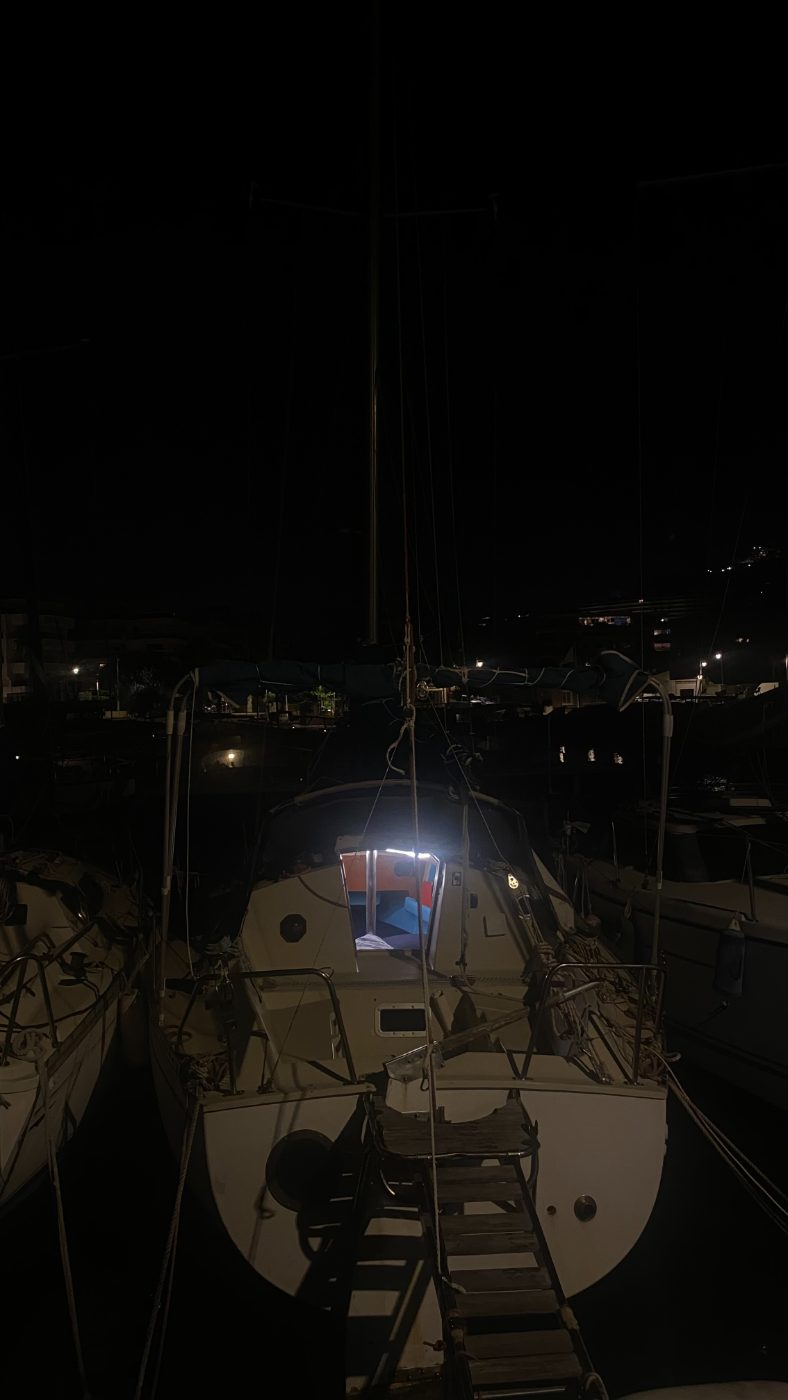
One of the nights I slept on a boat. Not a yacht, a sailing boat in the old port, cabin the size of a car boot, mast creaking till morning. I had a hotel like everyone else with a badge; I wanted to know what it feels like to wake up on the water in Cannes, so I booked a cabin for a night. Two hundred metres away sat the superyachts of the people I had come to listen to. I was not envious. I was taking notes.
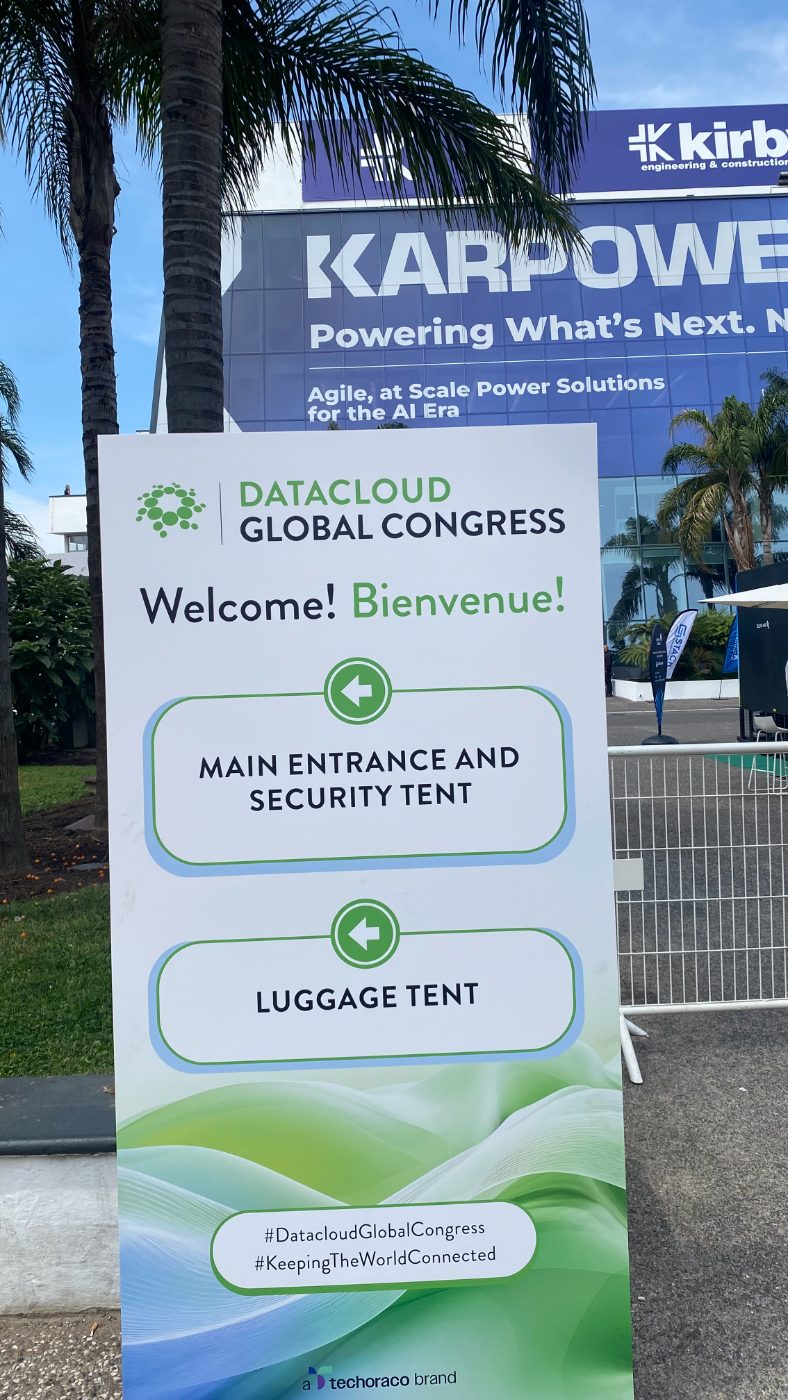
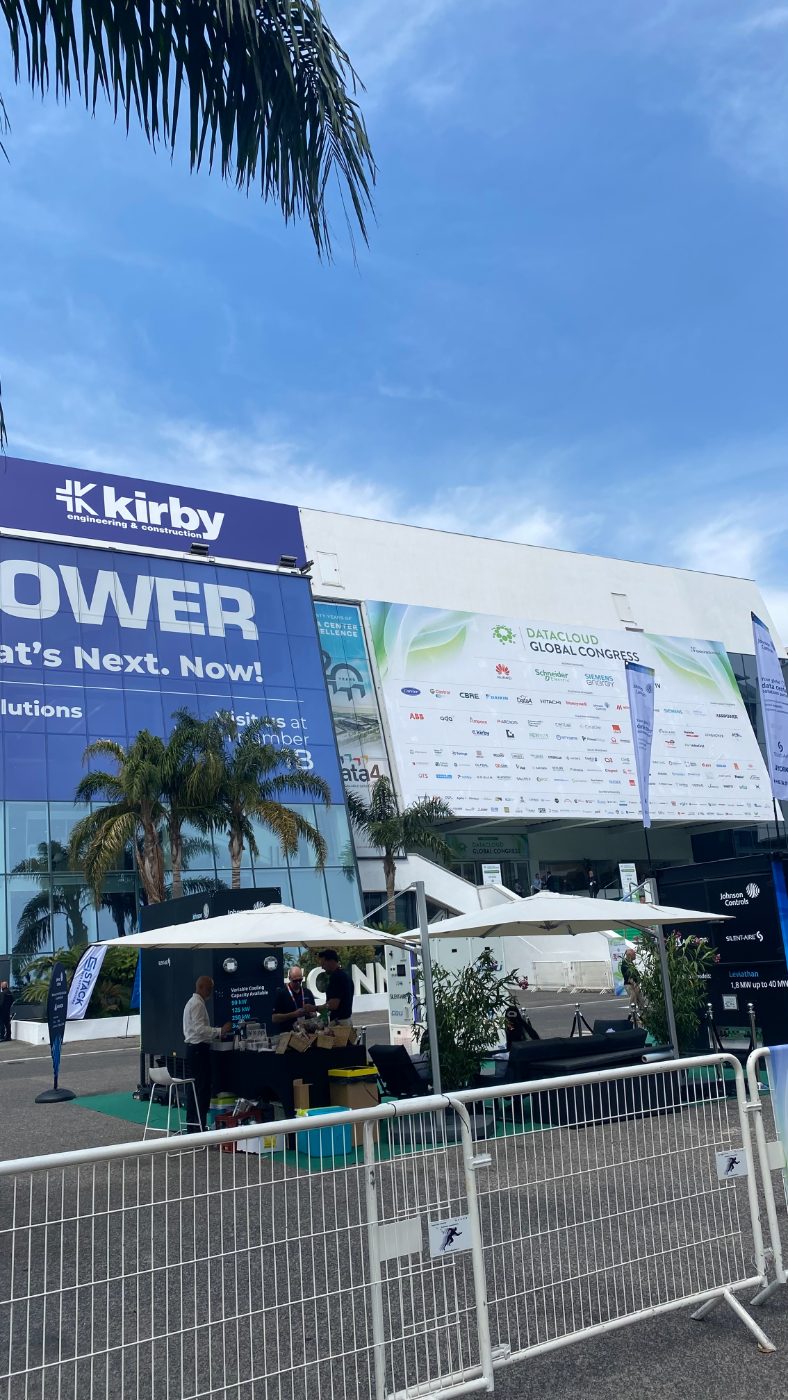
Datacloud Global Congress is not a construction event. There are no labour managers, no QSs, nobody asking for a groundworker or an electrician. The badges say investor, developer, hyperscaler, utility, M&E contractor. Which is exactly why it matters: these are the people who decide, two years ahead, where a thousand men will be needed and for how long. I went because the workers I place are the last link in that chain, and I wanted to see the first one.
The building tells you who is winning
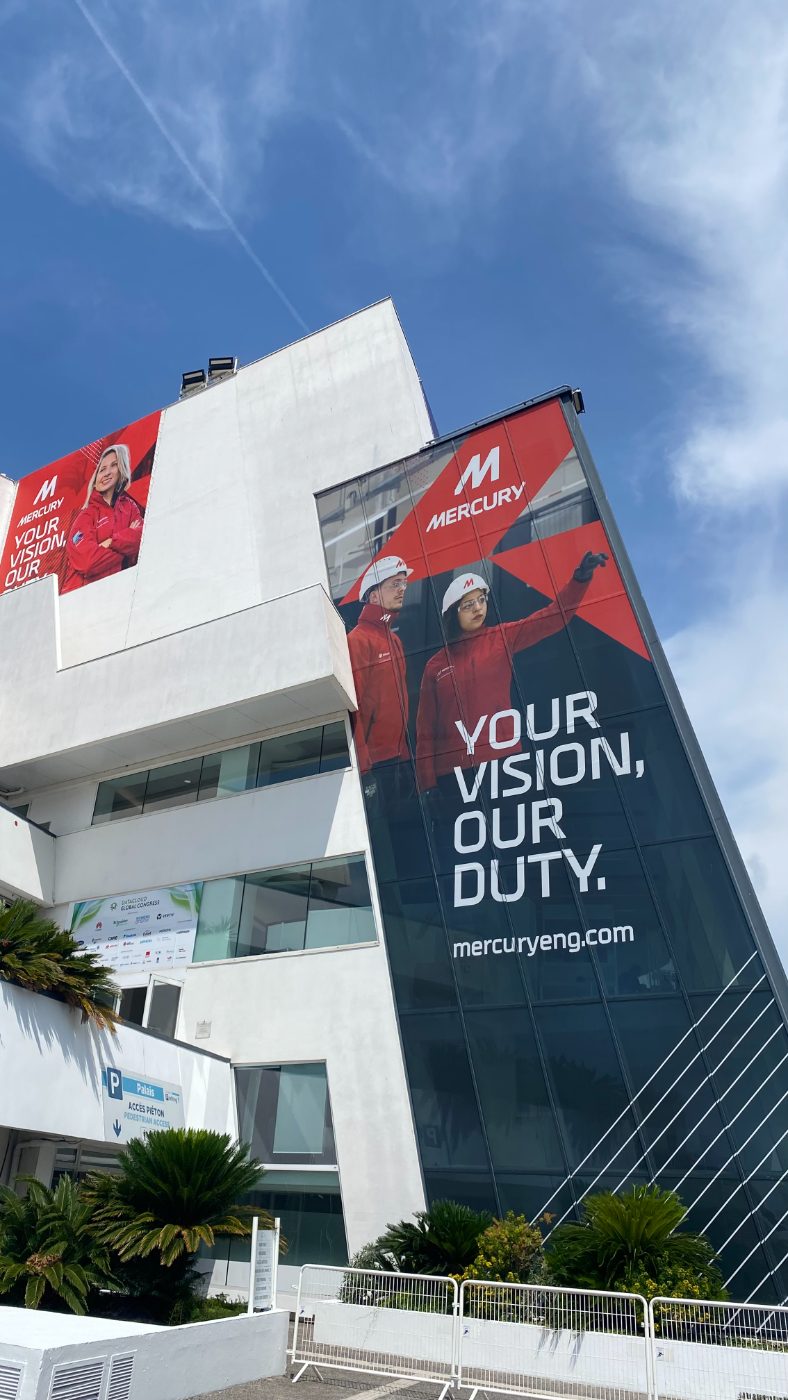
Before you reach the entrance you have already read the message. Mercury Engineering has wrapped the tower of the Palais in red: Your vision, our duty. Kirby has the glass facade next door. Both Irish M&E contractors, both founded in the seventies, now the faces of the biggest data centre conference in Europe. When a contractor can afford the facade of the Palais, the subcontracting chain beneath it is enormous. Every one of those red jackets on the poster stands for a few hundred people on site somewhere between Dublin, Frankfurt and Amsterdam.
That is the first lesson, and it is an uncomfortable one for anyone in labour supply: the Irish contractors got here first. Mercury, Kirby, Winthrop, Dornan, Suir, Jones. They followed the hyperscalers out of Dublin into Europe fifteen years ago, and they now own the relationships. If you want to put people on data centre sites in Europe, sooner or later you are working for an Irish company. I moved to Ireland because of that.
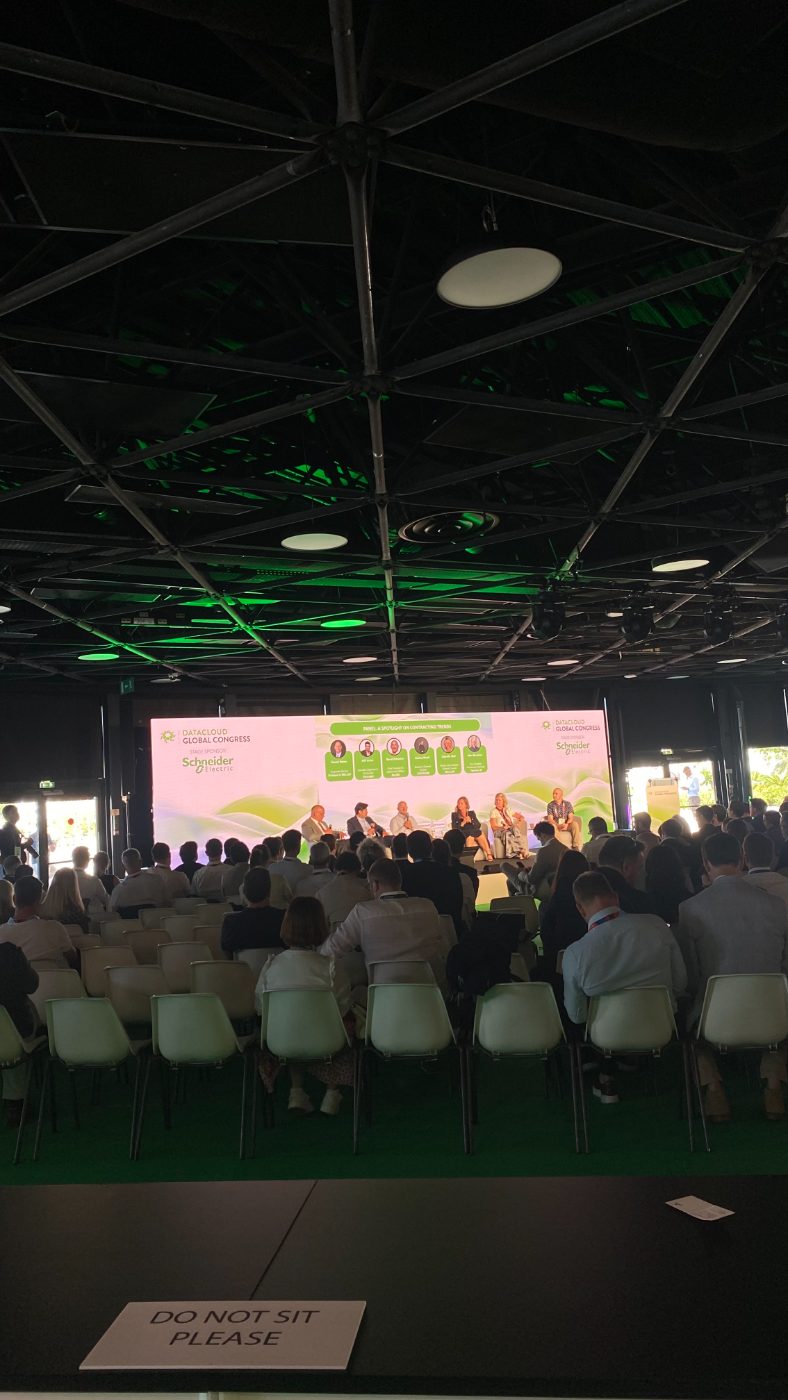
A conversation about America
The most useful hour of the whole week was not in a session. It was a six o'clock coffee at a cafe near the Albion du Gray with John Kelly, chief executive of Suir Engineering, the Waterford M&E contractor heading for €550 million in turnover with 1,600 people. He left school at sixteen to train as a quantity surveyor and came up through Carillion and Laing O'Rourke before he ran anything. We spent half an hour on the one subject nobody on stage had touched: who is going to do the work.
I will not quote him; it was a conversation, not an interview. But the picture he painted has stayed with me. Europe is busy. The United States is something else entirely: build programmes on a scale that makes Frankfurt look modest, and the same constraint everywhere you look, which is not land, not power, not capital, but people who can actually build the thing. Electricians, pipefitters, operators, supervisors. The industry has more money than hands.
What struck me more than the numbers was the man. No entourage, no hurry, genuinely curious about how a small Romanian crew gets housed in Dietzenbach. Suir runs around 400 apprentices at any one time, and he talked about them the way other people at the congress talked about megawatts. I came away with the same conclusion from a different direction: the constraint is people, and the companies that solve it will be the ones that treat housing, contracts and training as part of the product, not an overhead.
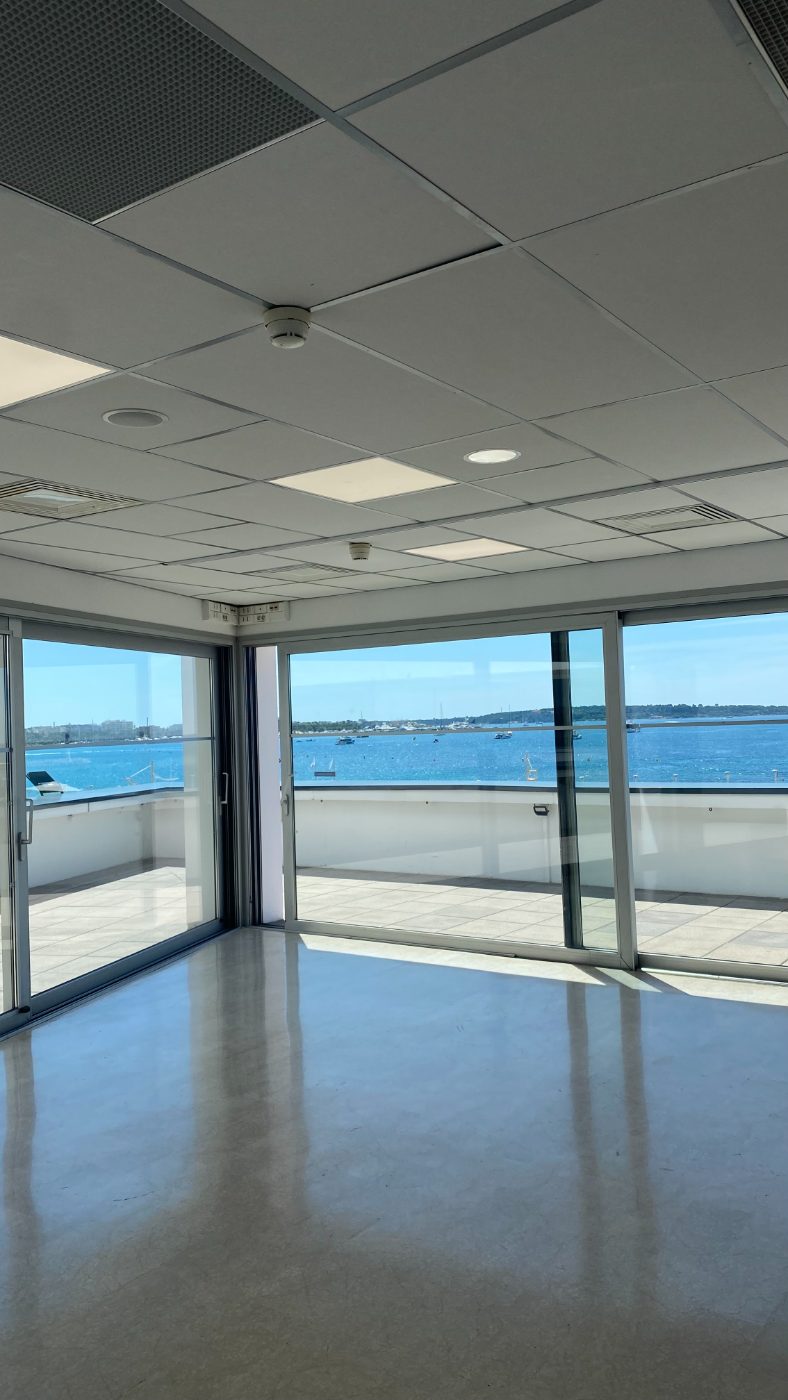
The industry has more money than hands. Everyone in that building knew it. Very few of them can do anything about it.
What I brought home
Three things. First, the demand is not a cycle, it is a decade. The hyperscalers were presenting 2030 pipelines, not 2027 ones. Whoever can reliably deliver trained, legally employed crews into Germany, the Netherlands and the Nordics will not run out of work. Civils first, then the electrical fit-out, which is where the real volume of people sits: a data centre is a building wrapped around a very large electrical installation.
Second, nobody at that level wants to talk about A1 forms and posted workers. They want a supplier with a local company, local payroll and no compliance surprises. That conversation is why we spent the summer incorporating a GmbH and a B.V. instead of just sending more people on Irish contracts.
Third, and this is the one I did not expect: the people at the top of this industry are approachable, if you have something real to say. I had a database of groundworkers and electricians and a question about where they would be needed next. That was enough for a coffee. Next year I will have a company in three countries and a hundred people on site. We will see what that is enough for.
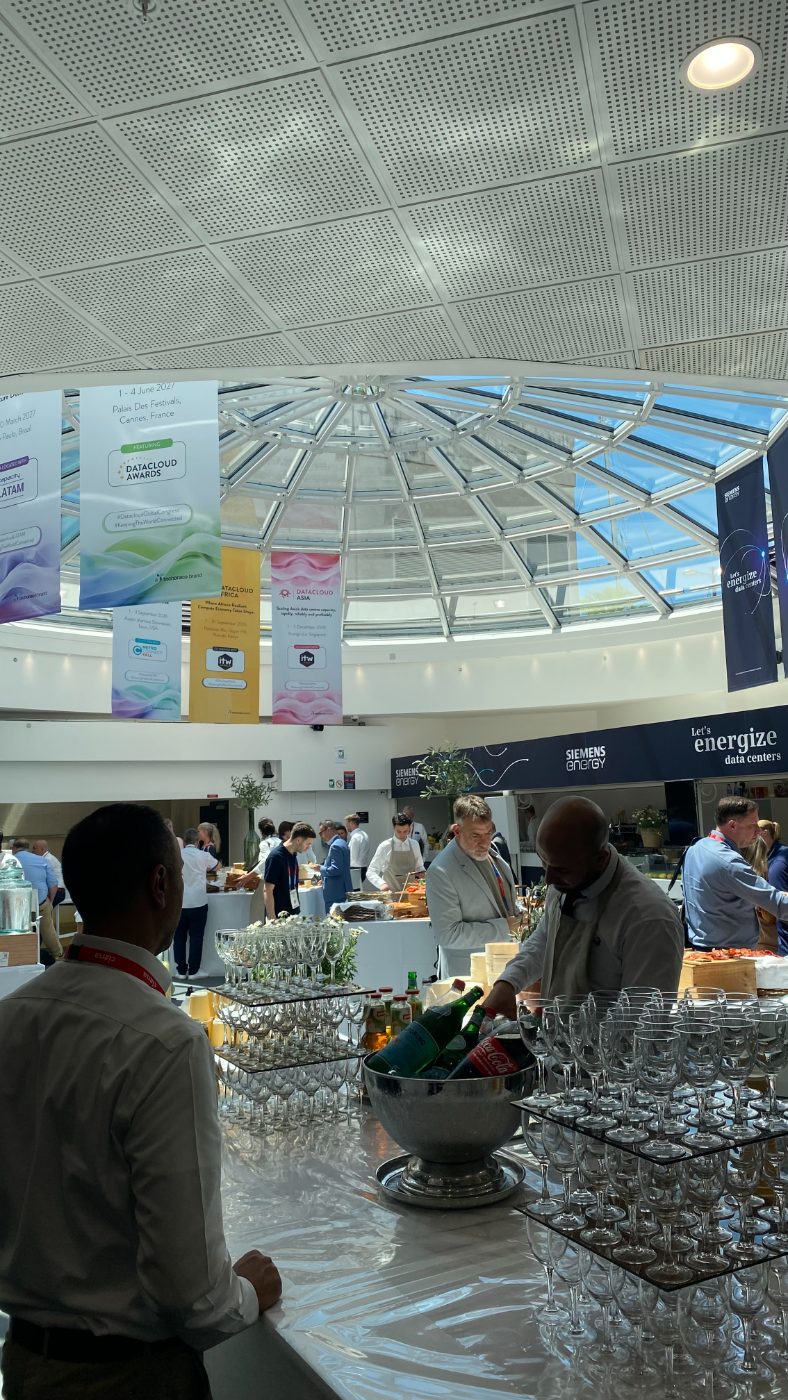
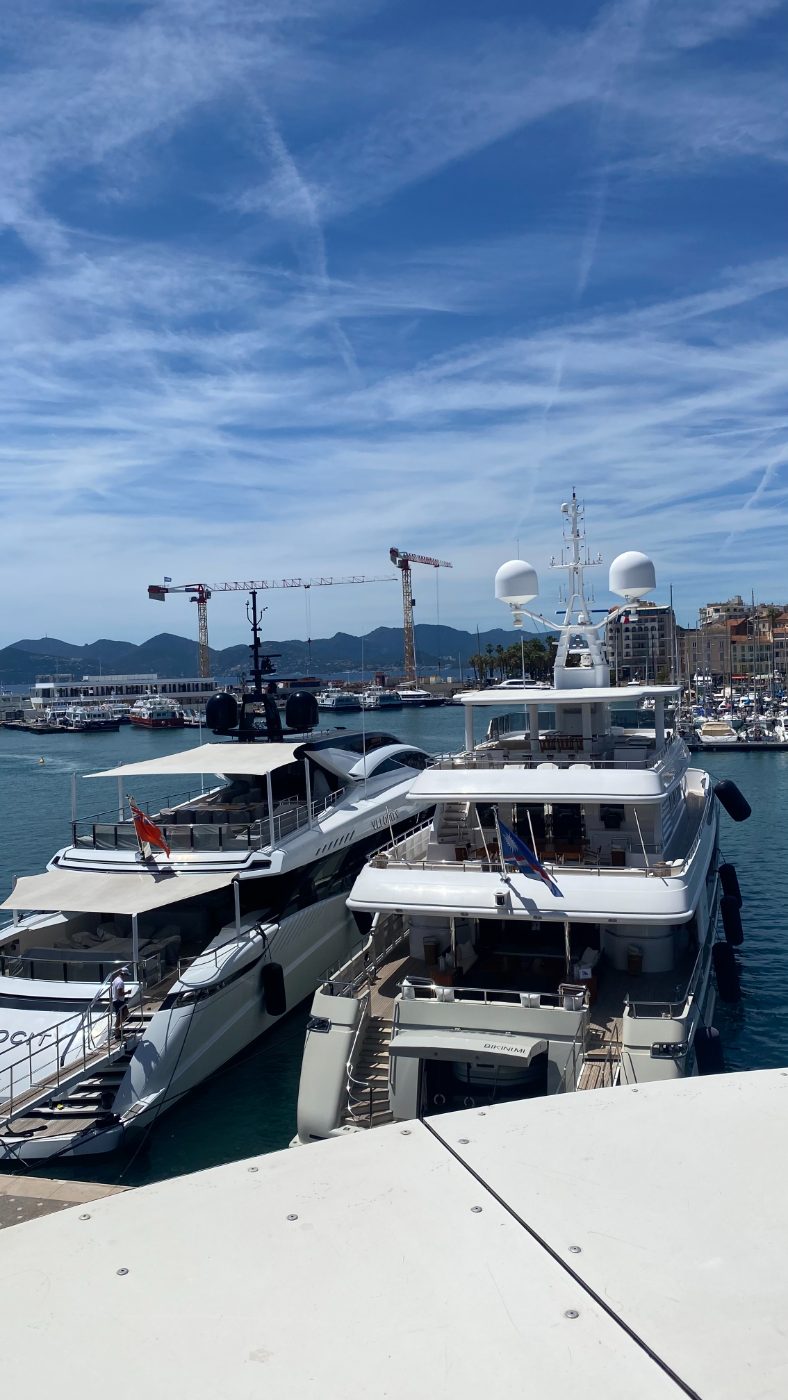
Building something in Europe takes years. I intend to enjoy the years, and to try things on the way. The boat was one of them. Cannes is in June, and so will I.