Worker housing in Frankfurt: what a data centre crew actually needs
Six to a house, two to a room, a washing machine, a kitchen you can cook in, the van parked outside, forty minutes from the gate. Housing is not a cost line. It is the reason a crew stays twelve months instead of six weeks.
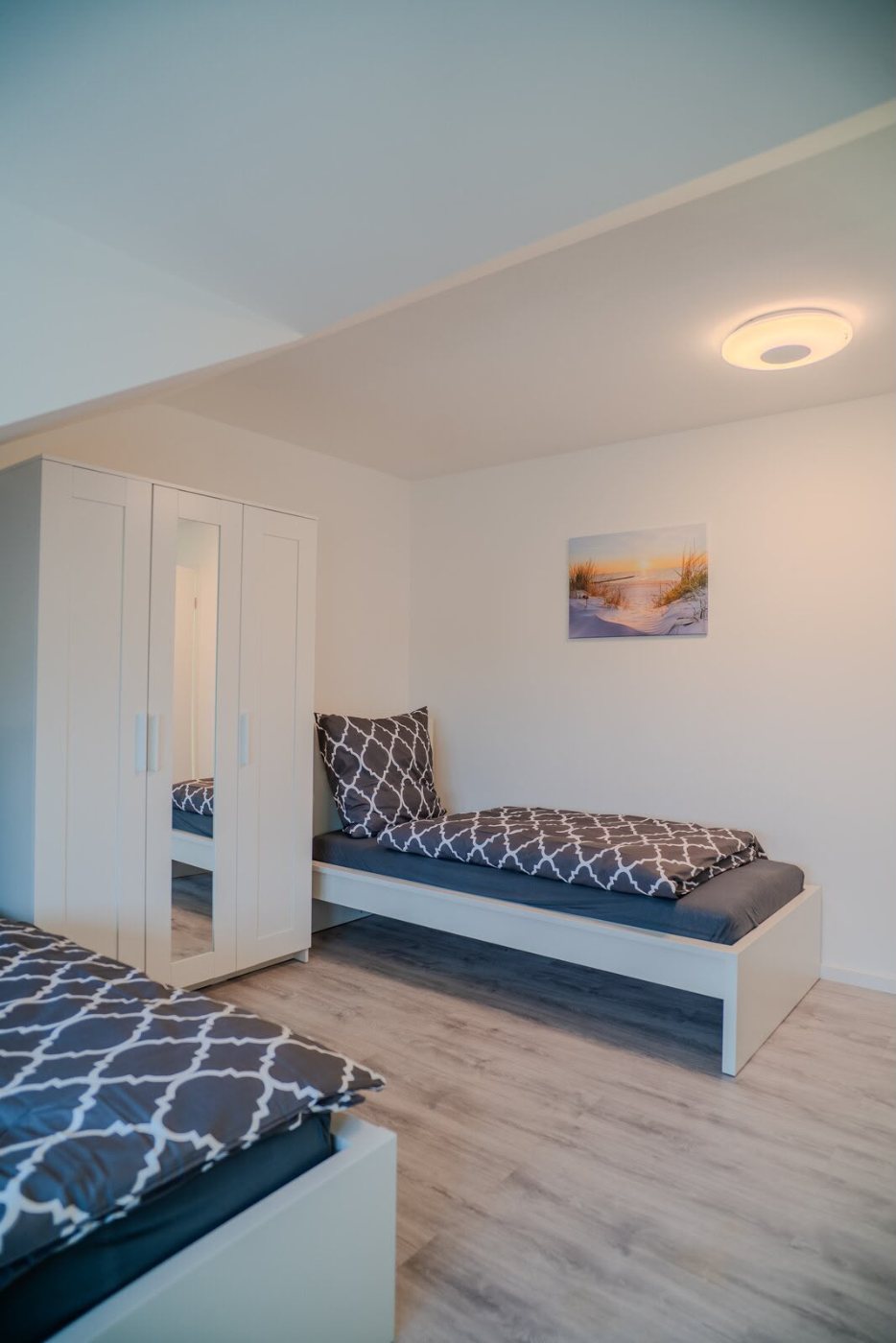
The van is parked outside the house. That is the first thing I check when I visit one of our crews in the Rhine-Main area, before the kitchen, before the beds: is the van at the door, and is the house one people can actually live in.
This is an article about worker accommodation around Frankfurt: how the market actually works, why so many houses around Dietzenbach, Hanau and Offenbach look identical on the inside, and the standard we hold to at AAC for every house our people sleep in. It is written for two readers: the labour manager who has lost a crew to a bad house and never found out why, and the worker who wants to know what he is being offered before he gets on the plane.
How the housing market for construction workers around Frankfurt actually works
The Frankfurt data centre belt has created its own housing economy. Dozens of agencies, some serious and some not, specialise in furnished houses for foreign crews. Many of them do not own a single property. They rent from landlords, furnish cheaply, and sub-let by the bed, and the same house appears on three different agency lists at three different prices. We have been offered the same address twice in one month by two companies that did not know about each other.
The commercial terms are always the same: a month in advance, the invoice for September arriving on the 23rd of August, a deposit, a minimum term, and a notice period that is never quite the one you agreed on the phone. The price for a shared house is between €3,000 and €3,800 a month. That is not the problem. The problem is what the money buys.
What the money buys varies enormously. A house rented for a crew can be crowded, far from the site, short on the basics that make a long posting bearable: enough space to sleep well, a kitchen six men can actually cook in, a washing machine, a reasonable drive to the gate. When those are missing, the invoice is still correct and the paperwork is still in order, but the crew is gone by week six.
The paperwork can be perfect and the crew still gone by week six. Housing is what decides it.
Why housing is part of the wage
A groundworker on €1,000 net a week is not comparing employers on the net. Everyone in the belt pays roughly the same. He is comparing the bed, the kitchen, the drive to the gate, and whether anyone answers the phone when the boiler stops on a Sunday. Those are the variables, and they are decided by the labour supplier, not the client.
We ran the numbers. Accommodation at €550 a month works out at about €2 an hour on a full month of site hours. Replacing a man who leaves at week six costs more than that in one week: a flight, an induction, a lost shift, a supervisor training someone new, and a client asking why the face at the gate has changed again. Housing is not a cost line we minimise. It is the cheapest retention tool we have.
I do not care how cheap your labour supplier is. If the crew changes every six weeks, they are expensive.
The standard I hold every house to
These are the rules we apply before we sign anything. Every house complies with local housing regulations, and beyond that these are the standards I go through at the door.
Space to sleep properly. Room to rest, single beds, a wardrobe each, and enough quiet that people who start at six in the morning can sleep. No overcrowding.
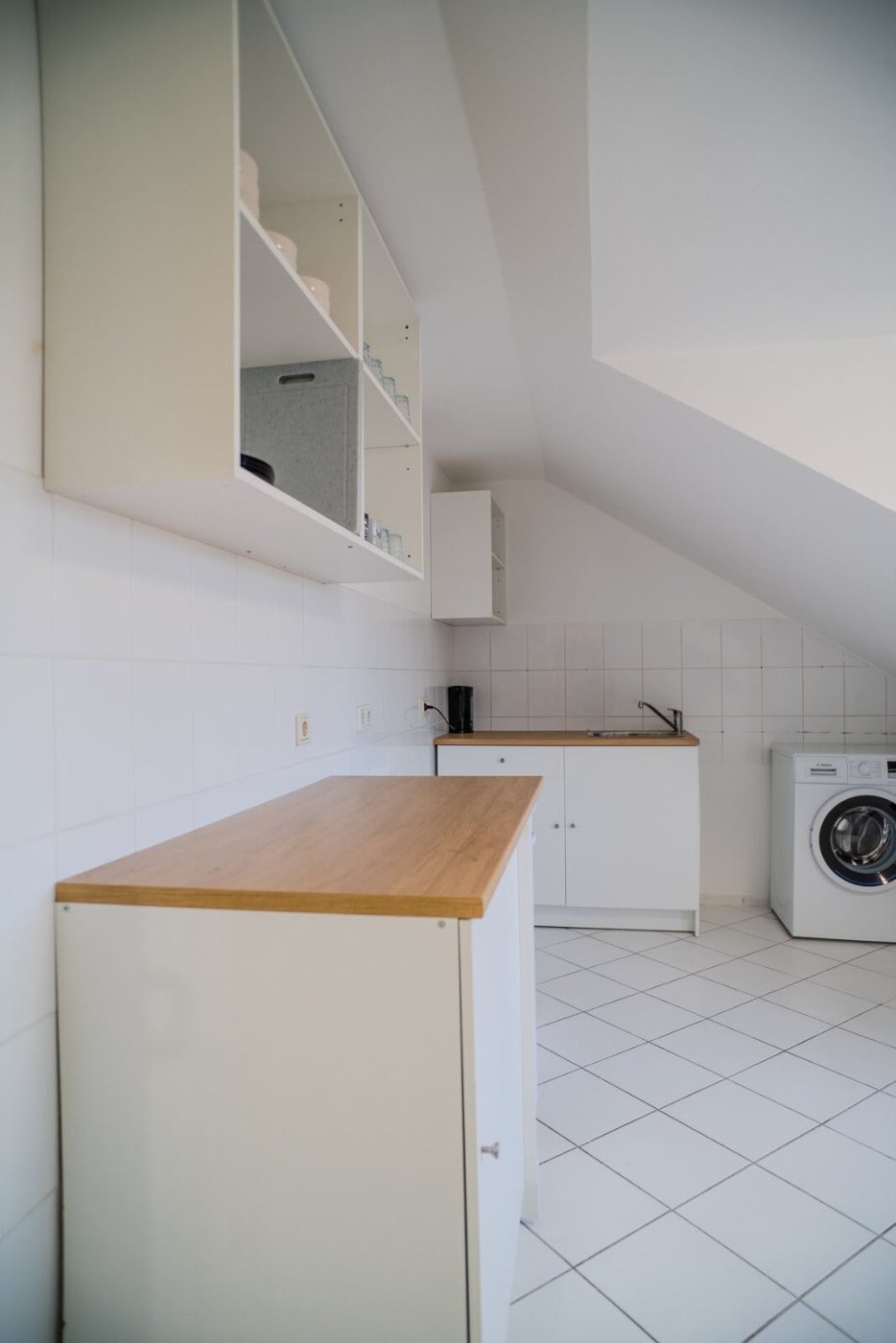
A house you can live in, not just sleep in. Bathrooms and kitchen sized for the people in it, so nobody queues to cook or wash before a shift.
Under forty minutes from the gate. Closer if we can. Every fifteen minutes of extra driving is fifteen minutes less sleep, twice a day, for a year.
The van parked at the door. Our van, allocated to the house, keys with the crew. They drive themselves to site and back. Nobody waits for a pickup at a bus stop at half past five.
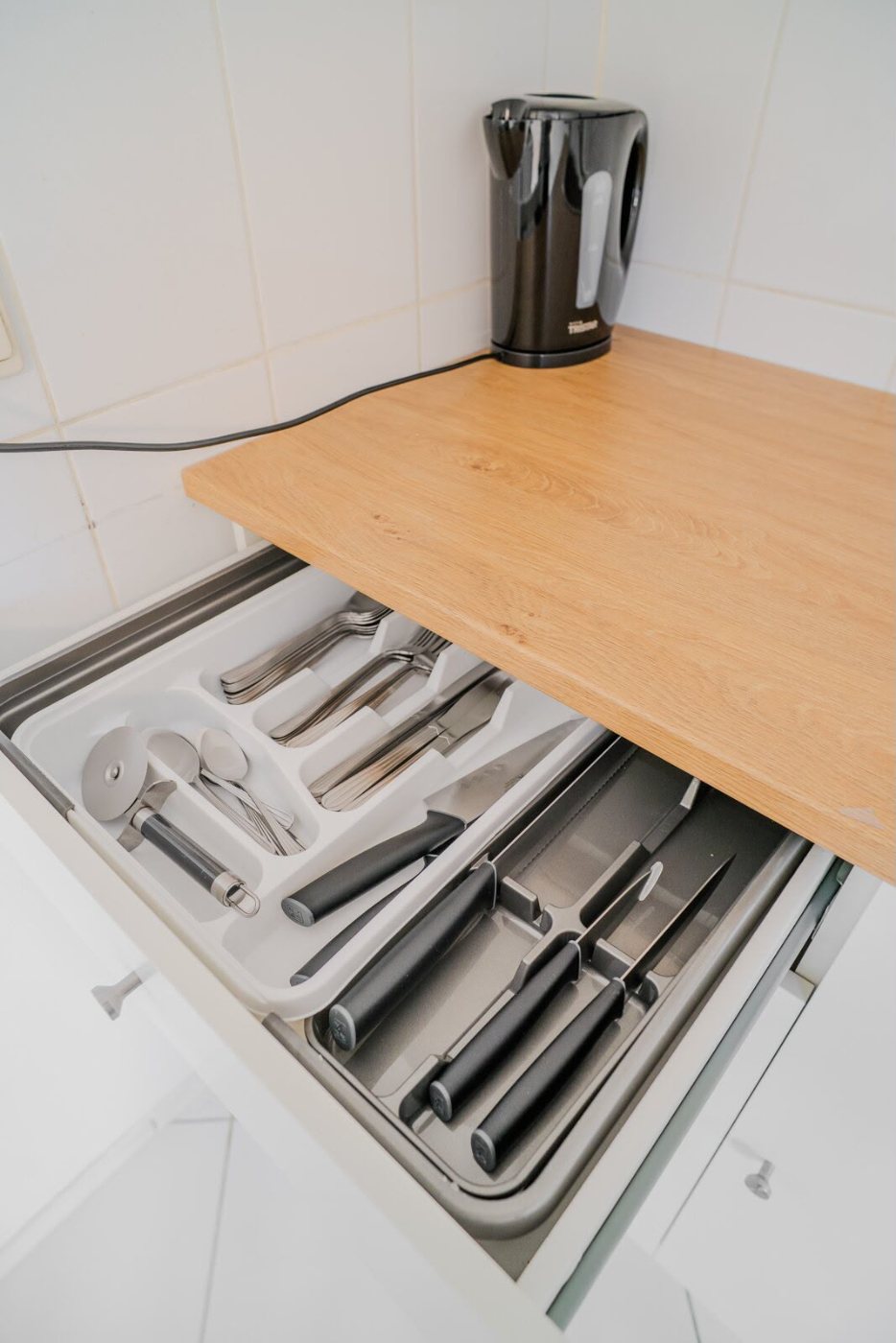
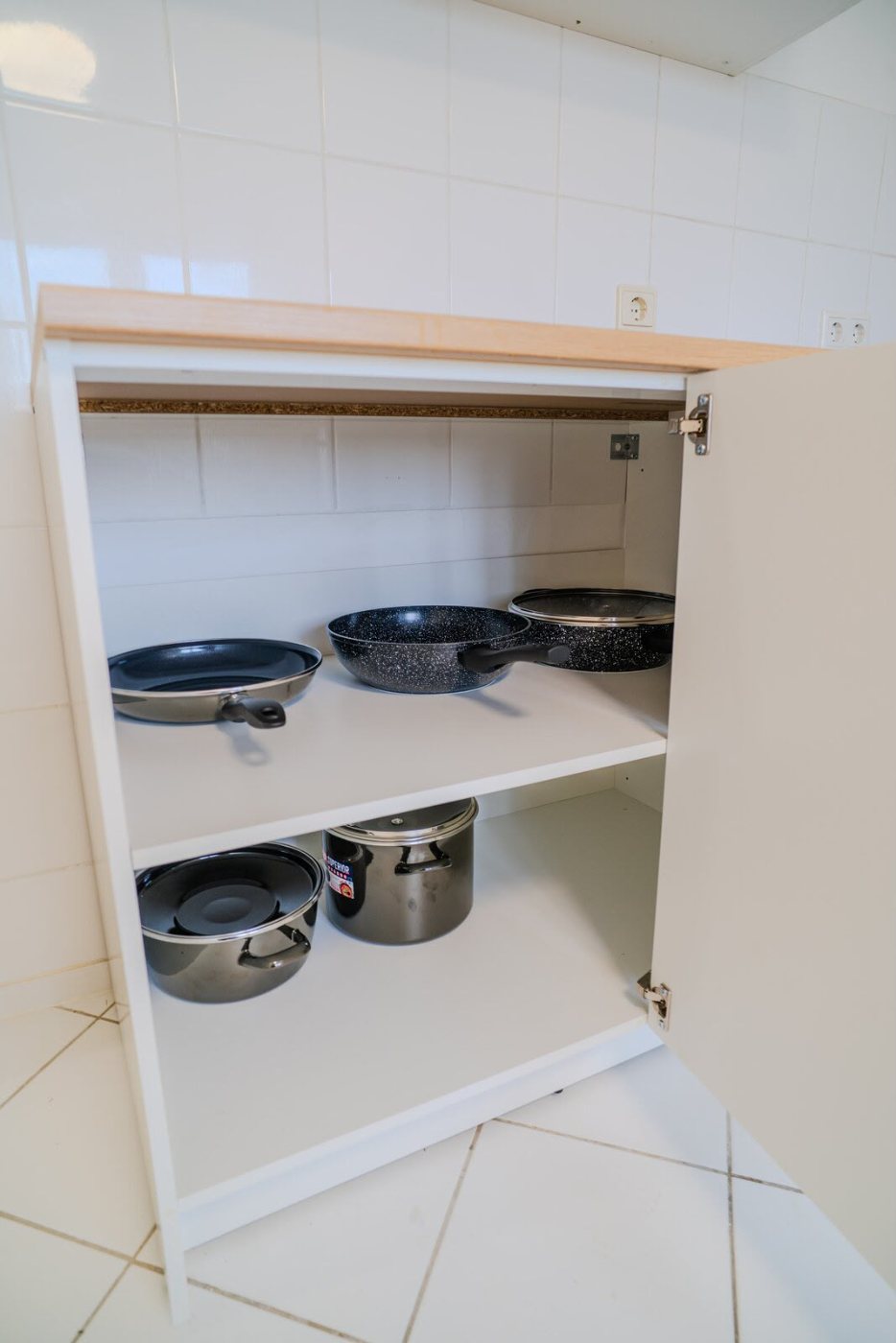
A washing machine in the house, a kitchen you can cook in. Full-size hob, oven, a fridge that holds the crew's food, pots, pans, plates, knives. Eating out every night in Germany costs a groundworker a quarter of his wage.
One phone number, answered on Sundays. Ours, not the agency's. If the heating fails on a Saturday night in January, the men do not wait until Monday for someone to open an email.
Rent paid by us, direct to the landlord, on time. The men never see a rent invoice. It is part of what they are paid, not something deducted from it.
One house leader in every house. An experienced man from the crew, chosen by us, who holds the keys, keeps the rota for cleaning and the van, and is the first call when two men disagree about the kitchen at eleven at night. People who work ten hours a day and live under one roof will have friction. A house with a leader settles it over a coffee. A house without one settles it by someone leaving.
Stop asking labour suppliers how many CVs they have
A database proves nothing; everyone has one. If you are a labour manager or a commercial director taking on a crew in Germany, ask the supplier five things before you look at the rate: is the housing compliant, is it overcrowded, how far from the gate, who owns the van, and who answers the phone on Sunday. Then ask to see a photo. A supplier who has the answers has the crew. A supplier who does not will have a different crew every two months, and you will be the one explaining that to your site manager.
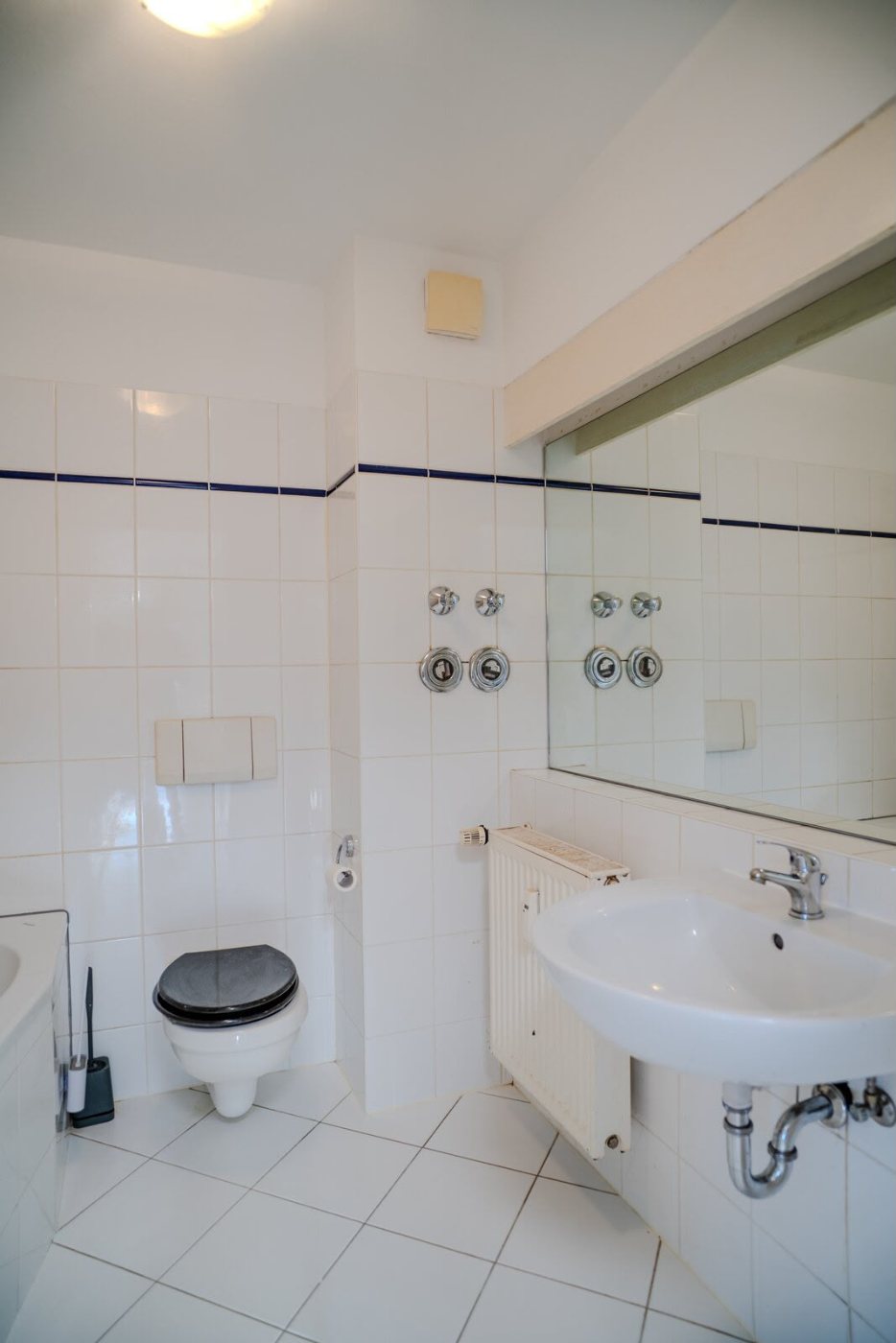
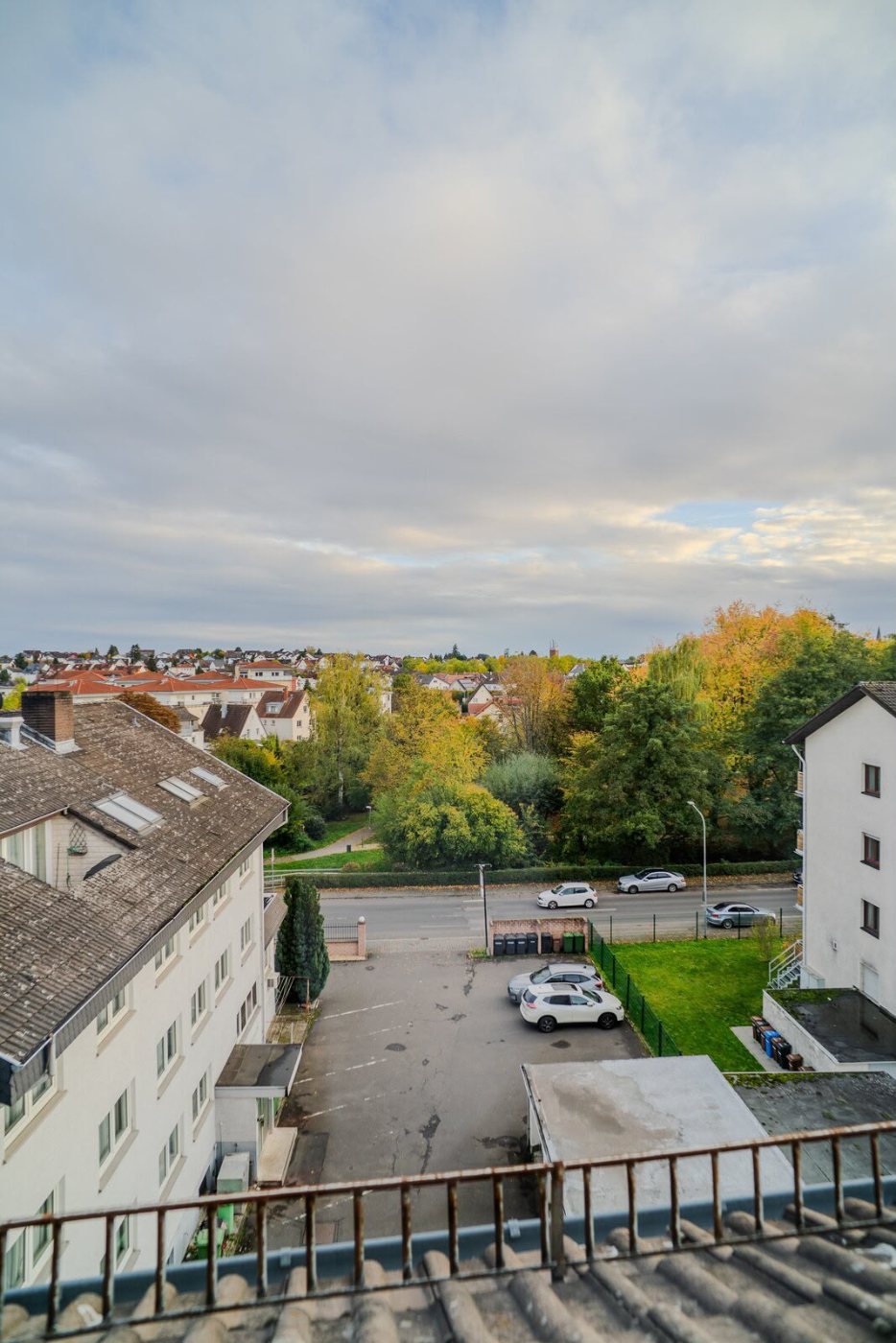
We have around fifty people housed this way between Frankfurt and Dietzenbach, in houses like the one in these photos. It is the least glamorous part of what we do, and it is the part that keeps people on site. The data centres on the slides get built by men who slept well.
Where they sleep is where the work starts.