What a data centre crew really costs
Every contractor compares quotes on the hourly rate. It is the wrong number to compare on. Here is what actually sits inside a charged hour, why the cheapest quote is almost always the most expensive by week six, and the one cost nobody puts on the invoice.
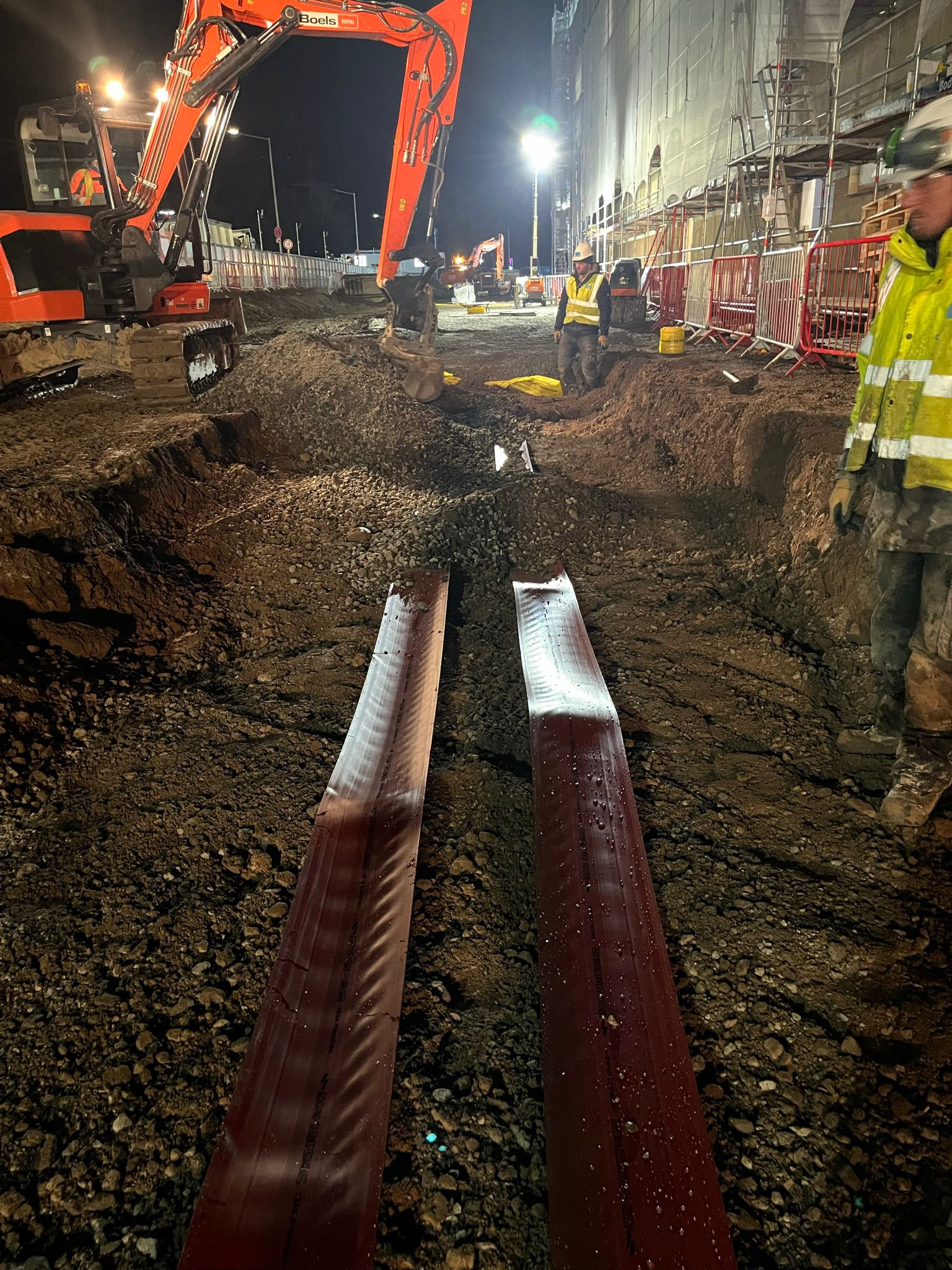
Every contractor who has ever taken on a crew compares suppliers on one number: the hourly rate. It is the wrong number to compare on, and it is the reason so many data centre jobs end up paying twice. The rate tells you almost nothing. What matters is what sits inside it, and what has been quietly left out.
I run crews on data centre sites in four countries. I price them every week. So let me take a charged hour apart and show you what is actually in it, because once you see the build-up, you stop asking "why is yours not the cheapest" and start asking the better question: "what has the cheapest one cut".
What is actually inside a charged hour
When a worker is told he earns, say, twenty an hour net, that is the number he cares about. It is nowhere near what he costs. On top of his net sits the gross-up for income tax and his own social contributions. On top of the gross sits the employer’s social cost, which in most of Europe adds another fifth again. Then, on construction, the industry-specific funds: holiday and pension schemes that are not optional and not small. Only after all of that have you got the true cost of the man standing in the trench, before he has been housed, driven to site, or managed.
Then come the things the worker never sees but the supplier pays every week: accommodation close enough to site that the van leaves at six, not five; transport; insurance; the compliance file; and someone running the crew. Add those, put a margin on, and you have a rate. A defensible rate can be read line by line. A rate that cannot is hiding something.
The worker is not his net. He is his net, grossed up, plus the employer cost, plus the construction funds, plus a bed and a van. Price only the first number and you go broke, or you cut.
Why the cheapest quote is the most expensive
If one quote comes in well under the others, only two things can be true. Either that supplier is losing money, in which case they will not last the job and you will be re-mobilising mid-project. Or they are not paying something: the social cost, the construction funds, the compliance, the proper housing. Every one of those cut corners lands back on you, the client, and never at a convenient moment. An audit on a hyperscale site. A crew that walks because the house was forty-five minutes away and had mould on the shower wall. A joint-liability bill because the posting was never done properly.
The cheap rate is a loan. You take it on day one and you repay it, with interest, somewhere between week six and the first inspection. I have watched contractors save two euro an hour on a crew and lose a fortnight of programme replacing it.
The cost nobody puts on the invoice
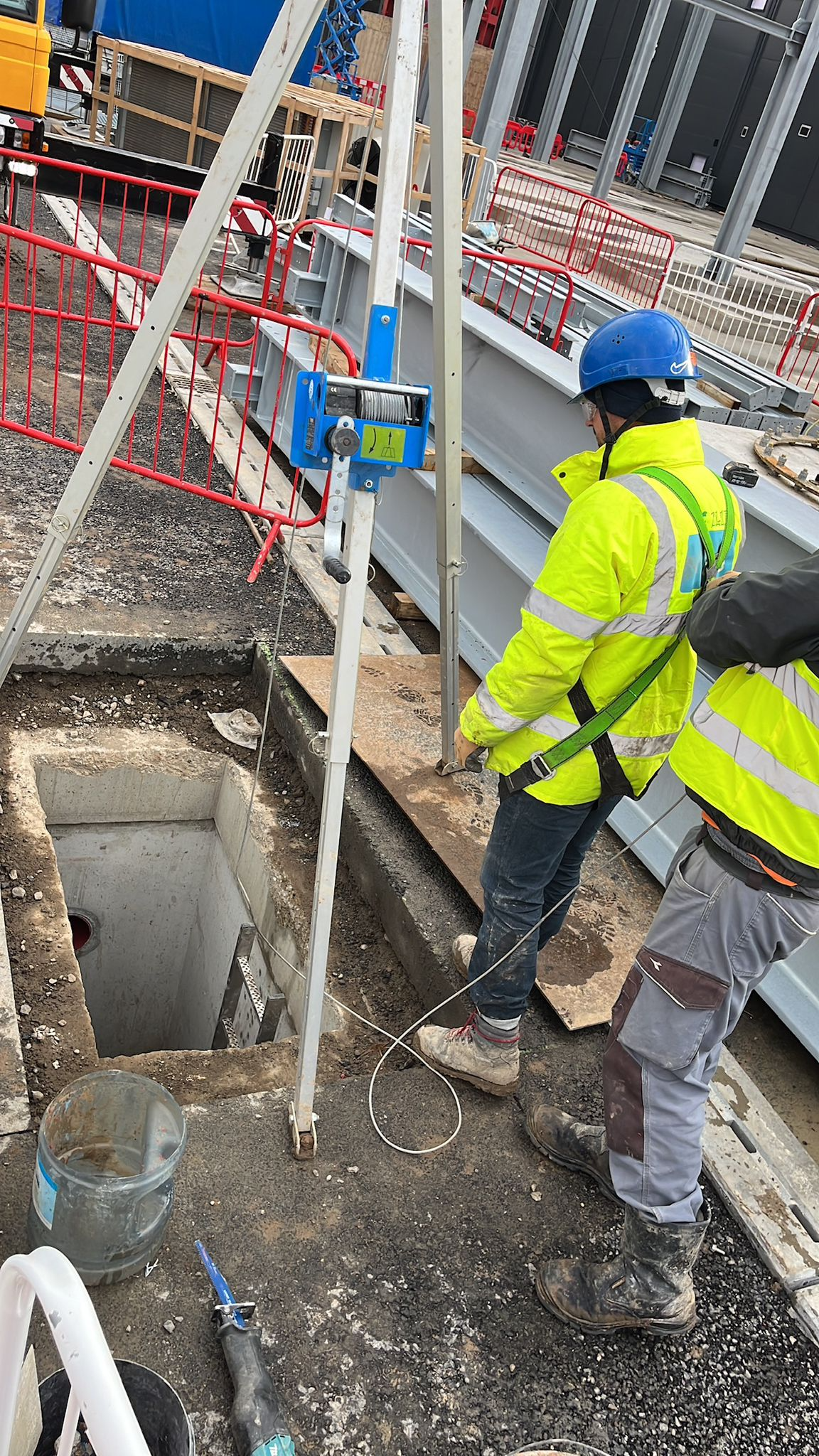
Here is the number that actually decides what a crew costs you, and it appears on no quote: retention. A crew that turns over every six weeks costs you a fresh induction each time, a lost shift, a supervisor training someone new, and a site manager asking why the faces at the gate keep changing. A crew that stays a year costs you none of that. Everyone in the market pays roughly the same net for the same trade. What separates a supplier who keeps a crew on site from one who does not is everything the cheap rate cut: the house you would put your own brother in, the van outside the door, the phone answered on Sunday.
That is not generosity. It is the cheapest line in the whole build-up, because it is the one that stops you paying for the same crew twice.
What to compare instead of the rate
Do not compare rates. Compare what is inside them. Ask any supplier to show you where the social cost and the construction funds sit in their number. Ask who employs the men and how. Ask to see the house, and how far it is from the gate. Ask who answers when something breaks at the weekend. A supplier who can answer those has built a rate that holds. A supplier who only wants to talk about the headline figure has built one that does not, and you will find out where it breaks at the worst possible time.
The job of a workforce partner is not to be the cheapest line on your tender. It is to put a crew on your site that is still there, compliant and working, in twelve months. That is the number that matters. Everything else is just the price of finding out the hard way.